Number 10 Downing Street

The official site of the British Prime Minister's Office

Past Prime Ministers

Earl Russell

NicknameLord John Russell

Born 18 August 1792, Mayfair, London

Died 28 May 1878, Richmond Park, London

Dates in office 30 June 1846 - 23 February 1852

Dates in office (Second term) 29 October 1865 - 28 June 1866

Political party Whig

Major acts

Factory Act 1847 -limitations on factory working hours.

Public Health Act 1848 - improving the sanitary conditions of towns and populous places

Interesting facts

The last Whig Prime Minister

Charles Dickens dedicated the novel, A Tale of Two Cities, to him, “In remembrance of many public services and private kindnesses.”

Lord John Russell 1st Earl Russell

1846 - 1852

1865 - 1866

“I have made mistakes, but in all I did my object was the public good.”
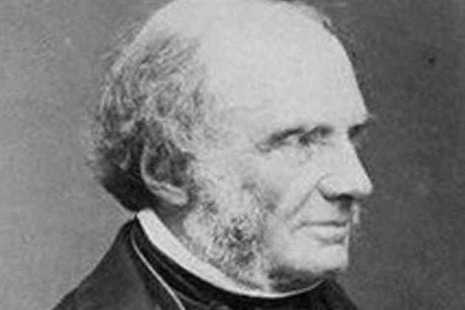
Born premature and always small in stature, Lord John Russell served twice as prime minister. Neither period of office proved smooth, and his achievements were limited by weak leadership and difficult circumstances.

The third son of the Duke of Bedford, Lord Russell was an instinctive reformer. He came to Parliamentary attention for helping to write the 1832 Reform Bill, which increased the number of people eligible to vote.

He served as Leader of the Commons, and later as Home Secretary and Colonial Secretary under Melbourne.

He went on to lead the opposition to Peel’s government, but supported Peel in repealing the Corn Laws. And in 1846, after Peel resigned, Russell became leader himself.

Due to party disunity and his own ineffectual leadership, Russell was unable to get passed many of the measures he wanted. His government also had to face problems including poor trade, high unemployment and the Irish potato famine.

Liberalising trade

As PM Russell did manage to liberalise trade and limited women’s working hours. The Education Act of 1847 improved pay for teachers and granted money to non-conformist schools.

The Australian Colonies Act of 1850 gave representative government to New South Wales. Russell also achieved improvements to the Poor Law.

He was forced to resign by his independent-minded Foreign Secretary Lord Palmerston.

Russell then served briefly as Foreign Secretary under Lord of Aberdeen, and then later under Palmerston, having made up his differences with him.

In 1861 he was created Earl Russell. When Palmerston suddenly died in 1865, Russell formed a second government; his advanced age was outweighed by Queen Victoria’s trust in him.

Russell immediately tried to introduce a further Reform Bill to extend the political franchise, but his Cabinet failed to support him, and he resigned with little regret the next year.