Past Prime Ministers
NicknameKing Henry the Ninth
Born Early 1696 (though some sources say 1694), Laughton, Sussex
Died 6 March 1754 , Arlington St, London
Dates in office 27 August 1743 - 6 March 1754
Political party Whig
Major acts
The Consolidation Act 1749 - reorganised the Royal Navy.
The British calendar was reorganised (New Year's Day became 1 January) in 1751 - Britain would adopt the Gregorian calendar one year later.
The Jew Act 1753 - allowed Jews to become naturalized by application to Parliament.
The Marriage Act 1753 - enumerated the minimum age of consent for marriage.
Interesting facts
The Earl of Chesterfield on Pelham: "He was a very inelegant speaker in Parliament, but spoke with a certain candour and openness that made him well heard and generally believed."
Henry Pelham
1743 - 1754
On the House of Lords: “Let them alone; they make better speeches for us than we can make for ourselves.”
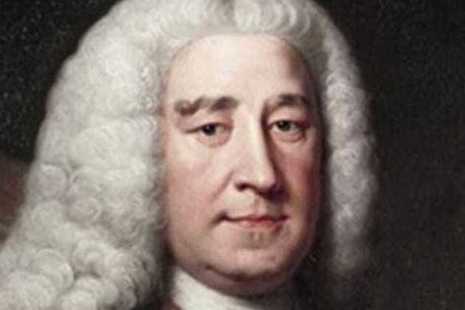
A loyal follower of Walpole, Pelham served as Prime Minister for ten years. He brought experience and stability to the role, uniting factions, squashing an attempt to overthrow the King at home, and ending a long-running war with European neighbours.
Pelham came from a political dynasty. The son of a long-serving MP, Pelham’s brother was the Duke of Newcastle, and the two reached the top of the political tree together – Newcastle went on to follow Pelham as Prime Minister.
Henry Pelham was a Lord of the Treasury under Walpole, and was his close friend and ally. He refused to take over from Walpole in 1742 out of friendship for the fallen Prime Minister, but took over the office after Wilmington’s death the following year.
One of Pelham’s strengths as prime minister was his ability to unite different political factions.
George II, however, was less keen on Pelham. In 1746 Pelham’s term was briefly interrupted by an initially hostile George II, who wanted to replace him with the Earl of Granville.
But Granville could not command the support of Parliament, and Pelham was reinstated three days later.
Pelham’s premiership saw attempts at social and financial reform, not all of which were successful.
Peace with France
He was successful in ending the War of the Austrian Succession in 1748, achieving peace with France and trade with Spain.
At home Pelham helped to straighten out the national finances, made a doomed attempt to strengthen the rights of Jews, and approved an Act adopting the Gregorian calendar, which moved the beginning of the year from 25 March to 1 January.
Legislation establishing the British Museum was also passed during Pelham’s term. Harrassed and wearied by his duties, Pelham died in office in 1754. He is said to have ‘eaten too much and exercised too little’ and had a succession of illnesses during his life.